Set-control additive for concrete
Sodium Gluconate Concrete Retarder
Sodium gluconate is used in selected concrete formulations where controlled setting behavior is required. Its effect depends on cement chemistry, temperature, dosage and other admixtures, so trial mixes are essential.
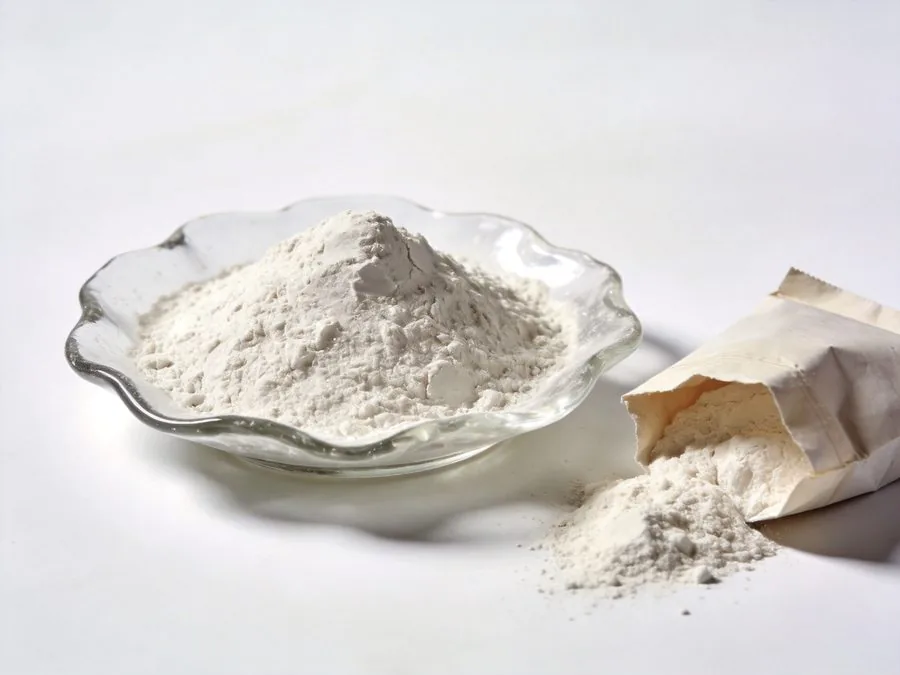
Product role
Where this product fits
Sodium gluconate is used in selected concrete formulations where controlled setting behavior is required. Its effect depends on cement chemistry, temperature, dosage and other admixtures, so trial mixes are essential.
Technical overview
Indicative product information
Current technical values are supplied in the product specification on request.
Please include the intended application, current grade identity and required inspection items.
Values shown are retained from the available source material and are indicative only. Request the current TDS/specification for purchasing decisions.
Inquiry checklist
What to send with your request
Concrete setting and workability targets.
Required grade and performance objective.
Sample, trial or estimated order volume.
Country, port and packaging needs.
Grade-specific buying brief
Procurement checks for sodium gluconate retarder
For a meaningful quotation, ask for the sodium gluconate grade and an agreed specification covering identity, assay, moisture and relevant impurities, with units and test methods. Include the required solution concentration when comparing pH results. No current assay or impurity limit is established for this product by the page; another supplier's technical sheet cannot supply those missing values.
Define the setting-time requirement separately from the desired workability window. NRMCA explains that slump loss and setting are distinct properties. A retarder inquiry should therefore describe both targets and the cementitious materials, temperature and other admixtures involved. Ask the technical team to evaluate the actual formulation rather than assuming a longer setting time delivers the required slump retention.
Details for a matched sample and quotation
- Identity: offered grade and construction-application suitability
- Inspection: assay, moisture, chloride/sulfate and pH method
- Performance brief: setting window and workability requirements
- Documents: current TDS, SDS and lot-specific COA