Macromonomer for PCE synthesis
EPEG Polyether Monomer
EPEG is a polyether macromonomer for selected high-performance PCE formulation routes. Confirm molecular-weight grade, process compatibility and the current product document before purchase.
Product role
Where this product fits
EPEG is a polyether macromonomer for selected high-performance PCE formulation routes. Confirm molecular-weight grade, process compatibility and the current product document before purchase.
Technical overview
Indicative product information
| Property | Indicative value |
|---|---|
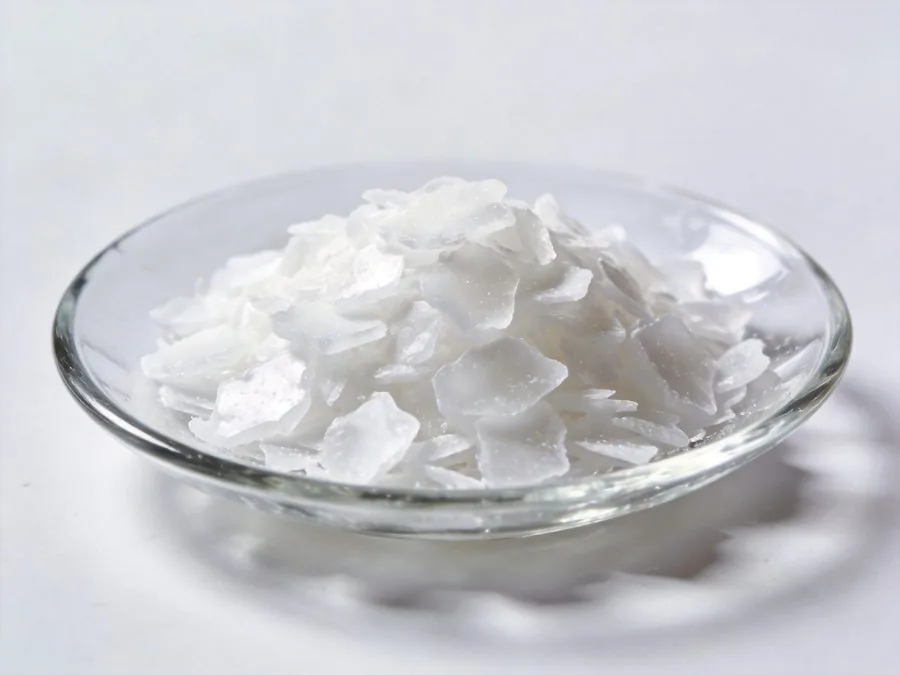
| Appearance | White to light-colored solid |
| pH, 1% solution | 9.8 |
| Hydroxyl value, as KOH | 18.5 |
| Double-bond retention | 95.2% |
| Water | 0.16% |
Values shown are retained from the available source material and are indicative only. Request the current TDS/specification for purchasing decisions.
Inquiry checklist
What to send with your request
Concrete use or PCE synthesis route.
Required grade and performance objective.
Sample, trial or estimated order volume.
Country, port and packaging needs.
Grade-specific buying brief
Match EPEG identity to the intended polymer route
Use the supplier's full chemical description and current grade code alongside the EPEG abbreviation. Ask which molecular-weight grade and inspection methods the quotation covers. A similar nominal molecular weight does not establish equivalence to HPEG or TPEG, and the monomer is a synthesis raw material rather than a finished concrete admixture.
The figures above are representative reference information, not a new lot COA or a current guaranteed specification. Match the batch report to the named material and check the basis for hydroxyl value, water, pH and double-bond retention. The finished polymer's required water reduction and retention remain separate evaluation targets; EPEG alone does not certify either outcome.
Details for a matched sample and quotation
- Identity: chemical description, grade code and nominal molecular weight
- Inspection: hydroxyl-value unit, water and double-bond method
- Process brief: existing route and target finished-PCE properties
- Evidence: current specification, sample identity and lot COA