Catalogue grade · PCE raw material
TPEG-3000
Polyether Monomer
TPEG–Prenyl Alcohol Polyoxyethylene Ether presented in the supplied company catalogue for PCE mother-liquor formulations where slump retention is a key evaluation target.
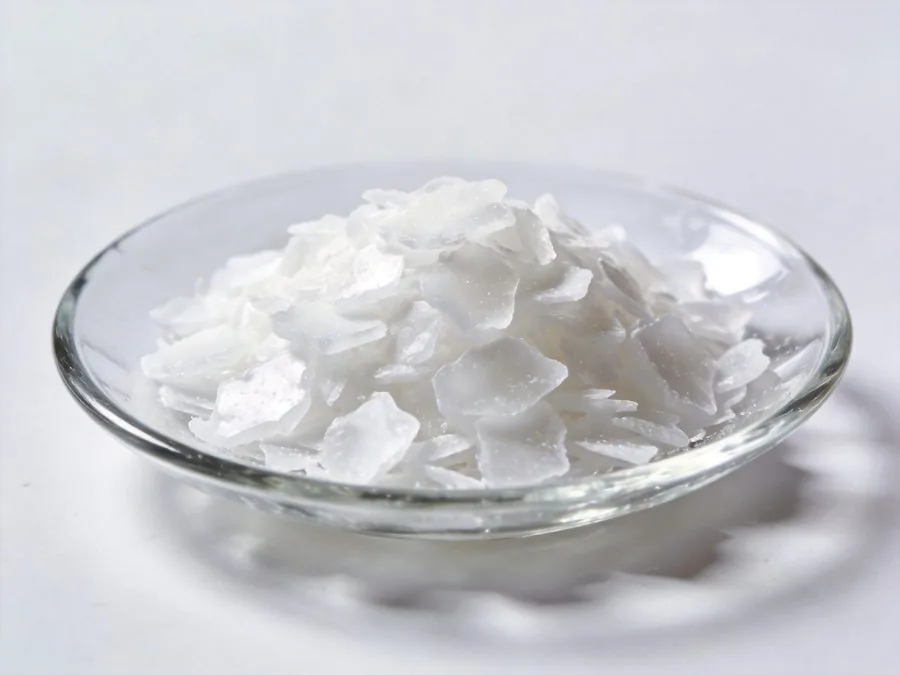
Supplied catalogue reference
TPEG-3000 specification snapshot
| Catalogue product name | TPEG-3000 |
|---|---|
| Chemical name | TPEG–Prenyl Alcohol Polyoxyethylene Ether |
| Appearance | White to yellowish flake |
| Hydroxyl value | 17 ± 3 mg KOH/g |
| Degree of unsaturation | ≥ 0.25 mmol/g |
| pH (1% aqueous solution) | 5.5–7.5 |
| Standard package | 25 kg bag |
| Shelf life | 6 months under the stated storage conditions |
For PCE synthesis targeting slump retention
The catalogue positions TPEG-3000 for polycarboxylate ether mother-liquor preparation where slump-retention performance is required. Actual performance depends on the synthesis route, raw materials, dosage and concrete system.
Do not treat this as a no-additional-slump-agent guarantee. Run laboratory synthesis and concrete compatibility trials against your acceptance criteria.
Send these details for matching
-
01 · Synthesis route
Target PCE structure, monomer ratio and process context. -
02 · Performance target
Initial water reduction, slump-retention interval and test conditions. -
03 · Commercial context
Trial quantity, destination port and packaging requirement.
Packaging and storage
- Packaging
- 25 kg bag. Alternative packaging or product form is subject to confirmation.
- Storage
- Keep dry, clean, cool and ventilated. Maximum stated storage temperature: 40°C.
- Protection
- Avoid direct sunlight, rain, heat sources and fire.
Before you approve a trial
Is this the same as the site's general TPEG page?
No. The general page introduces the TPEG product route; this page records the supplied catalogue reference for the TPEG-3000 grade.
Are these values guaranteed for every shipment?
No. They are catalogue reference values. Use the current agreed specification and lot COA for acceptance.
What documents should I request?
Request the current TDS/specification, SDS and a batch COA, and confirm the quotation model code.
Company management systems
Huahai Feifei maintains ISO 9001, ISO 14001 and ISO 45001 management systems. View the company certificates. These are management-system certificates, not TPEG-3000 product certification.
Grade-specific buying brief
Resolve the model code before sample approval
The source catalogue's TPEG-3000 name and HSTP-300 reference need written reconciliation on the current quotation and product specification. Confirm which model will appear on the sample label and lot COA. This page does not resolve that identity question by assuming the codes are interchangeable.
If retention is the objective, provide the desired initial and timed workability results alongside the current monomer and finished-PCE baseline. The representative TPEG-2400 COA available elsewhere on this site cannot certify this 3000 grade. No four-hour retention, equal-mass substitution or removal of a separate retention component is guaranteed by the catalogue name.
Details for a matched sample and quotation
- Identity: written TPEG-3000/model-code confirmation
- Inspection: current hydroxyl value and unsaturation methods
- Comparison: existing monomer, polymer route and concrete conditions
- Acceptance: matching sample, agreed specification and lot COA