Typical evaluation scope
Rheology modification in cement-, gypsum- and lime-based mortars.
Functional additive for dry-mix mortar
Hydroxypropyl starch ether is used in selected cement- and gypsum-based dry-mix formulations to modify workability and application behavior. Confirm compatibility and dosage through formulation trials.
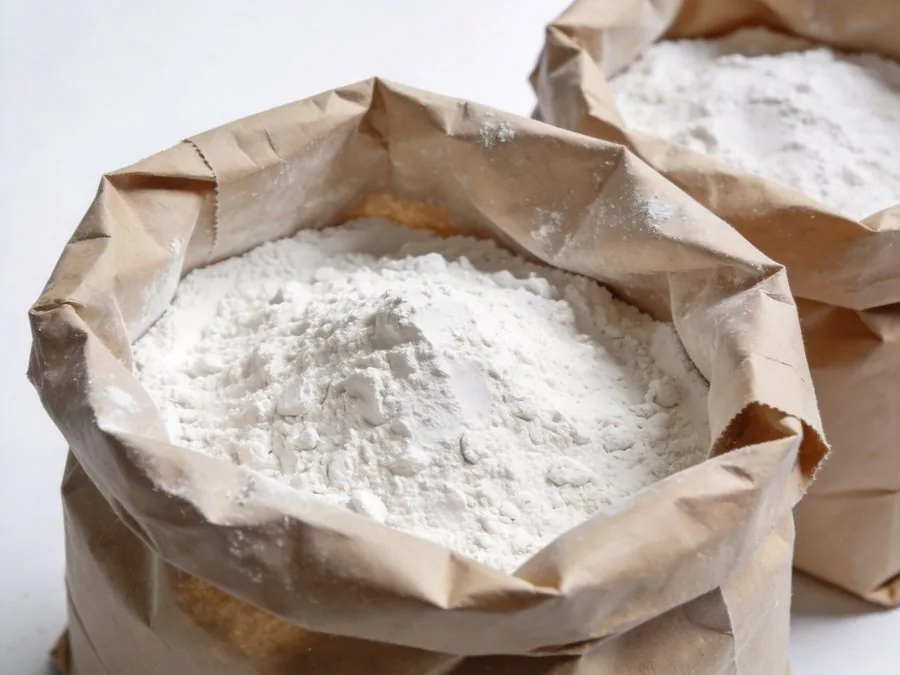
Product role
Hydroxypropyl starch ether is used in selected cement- and gypsum-based dry-mix formulations to modify workability and application behavior. Confirm compatibility and dosage through formulation trials.
Technical overview
| Property | Indicative value |
|---|---|
| Appearance | White to yellow powder |
| Moisture | ≤ 10% |
| pH, 5% solution | 7.0–9.0 |
| Viscosity, 5% solution | 500–1200 mPa·s |
| Solubility | Soluble in water |
Values shown are retained from the available source material and are indicative only. Request the current TDS/specification for purchasing decisions.
Inquiry checklist
Cement or gypsum mortar and existing cellulose ether.
Required grade and performance objective.
Sample, trial or estimated order volume.
Country, port and packaging needs.
Buyer-oriented technical selection
Rheology modification in cement-, gypsum- and lime-based mortars.
Viscosity, dosage, cellulose-ether combination, sag resistance and workability target.
Hps is commonly evaluated with the intended hpmc/hemc grade rather than as an isolated ingredient.
Ask for the current grade specification and batch documentation. Review available company certificates, test evidence and supplier batch-report scope separately.
Calculate wet-basis and dry-basis moisture from sample weights.
Grade-specific buying brief
An HPS inquiry should identify the mortar binder, existing cellulose ether and the workability or sag problem being addressed. Do not treat starch ether as the same product as HPMC. Compare the proposed combination in the finished mortar, with the required application and hardened-property checks defined by the formulation team.
The viscosity reference on this page uses a five-percent solution. Results published at another concentration, temperature or instrument setting are not directly interchangeable. Request the full method and current grade limits for pH, moisture and viscosity. Values from another HPS manufacturer may describe a different grade and do not revise this catalogue specification.
Contact Lany with the product, application and quantity.