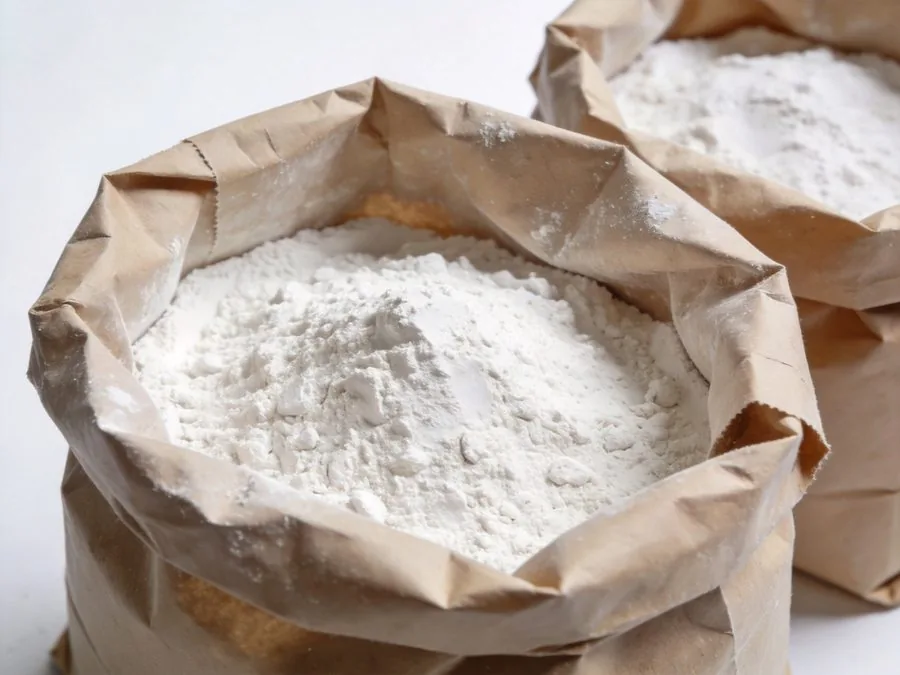
Wet-mix and dry-mix selection
Mortar Admixtures
Choose a mortar additive package or individual functional ingredients, then verify the grade in your complete formulation.

Select mortar additives by function
Select the supply route first. Finished additive packages and individual formulation ingredients answer different purchasing needs.
| Formulation task | Existing product pages | What to compare |
|---|---|---|
| Water retention and workability | HPMC cellulose ether | Grade, viscosity test method and complete-mortar performance |
| Adhesion and polymer modification | Redispersible polymer powder (RDP) | Polymer grade, substrate and relevant adhesion tests |
| Rheology adjustment | Hydroxypropyl starch ether (HPS) | Interaction with other additives and observed application behavior |
| Flow with controlled water | PCE powder / AC-PCE 1030 | Binder compatibility, dispersion and flow retention |
| Binding or film-forming requirements | PVA powder | Hydrolysis, dissolution procedure and formulation suitability |
| Fibre requirements | Wood fibre / PP fibre | Fibre type, dimensions, dispersion and intended function |
These are routes for grade evaluation, not interchangeable ingredients or a universal formulation. Current product documents take precedence over a category description.
Share binders, application and process conditions.
Review the current specification and available form.
Use customer-side formulation or concrete trials.
Compare the complete formulation
State whether the binder is cement, gypsum or a blend. Define the intended substrate, layer thickness, mixing instructions and required application properties before requesting a sample. A viscosity value alone does not describe the behavior of a finished mortar.
As a product-specific industry example, Wacker’s VINNAPAS 7220 E documentation describes adhesion-related performance for a defined polymer grade. It does not establish equivalence or performance for AdmixChem RDP.
For cellulose ether and RDP, compare the grade documents with the intended water-retention and adhesion requirements. For starch ether, test its interaction with the complete additive package: published research on modified starch in cementitious dispersions shows that its rheological effect depends on the system. Read the primary research on starch and PCE interactions. The study is background evidence, not an AdmixChem HPS performance test.
- Prepare a reference recipe and record all raw-material grades.
- Identify the ingredient and dose basis being changed.
- Keep mixing and measurement conditions consistent.
- Compare working properties and the relevant hardened-performance tests.
- Retain the trial record with the accepted material specification.